Image Processing Software
Driver-level architectures compared: How TWAIN, ISIS, and embedded ASIC coprocessors handle real-time binarization, skew correction, and OCR legibility.
1. Driver Standards: TWAIN vs. ISIS vs. WIA
The software interface between your scanning device and enterprise document management systems directly impacts capture stability and throughput speeds:
- TWAIN (Universal Industry Protocol): Maintained by the TWAIN Working Group. The current TWAIN 2.x standard offers comprehensive platform compatibility, full GUI controls, and rich metadata tagging. It is the dominant choice across commercial departmental applications.
- ISIS (Image and Scanner Interface Specification): Developed by Pixel Translations. ISIS uses a modular architecture optimized for enterprise production centers. ISIS drivers interact directly with host memory buffers, minimizing system overhead and maintaining continuous rated PPM speeds during simultaneous multi-stream capture (color + bitonal in a single pass).
- WIA (Windows Image Acquisition): Native Microsoft OS protocol. While suitable for basic desktop flatbeds, WIA lacks access to advanced production features such as dynamic thresholding, multi-color dropout, and custom ultrasonic boundary thresholds.
2. Hardware ASIC vs. Host CPU Image Cleanup
Digitizing 120 double-sided pages per minute in full 24-bit color generates over 7 Gigabytes of uncompressed raw raster data every sixty seconds. When software relies on the host workstation CPU to process image de-skew, punch-hole removal, and auto-cropping, transmission and CPU bottlenecks instantly throttle the scanner feed rate.
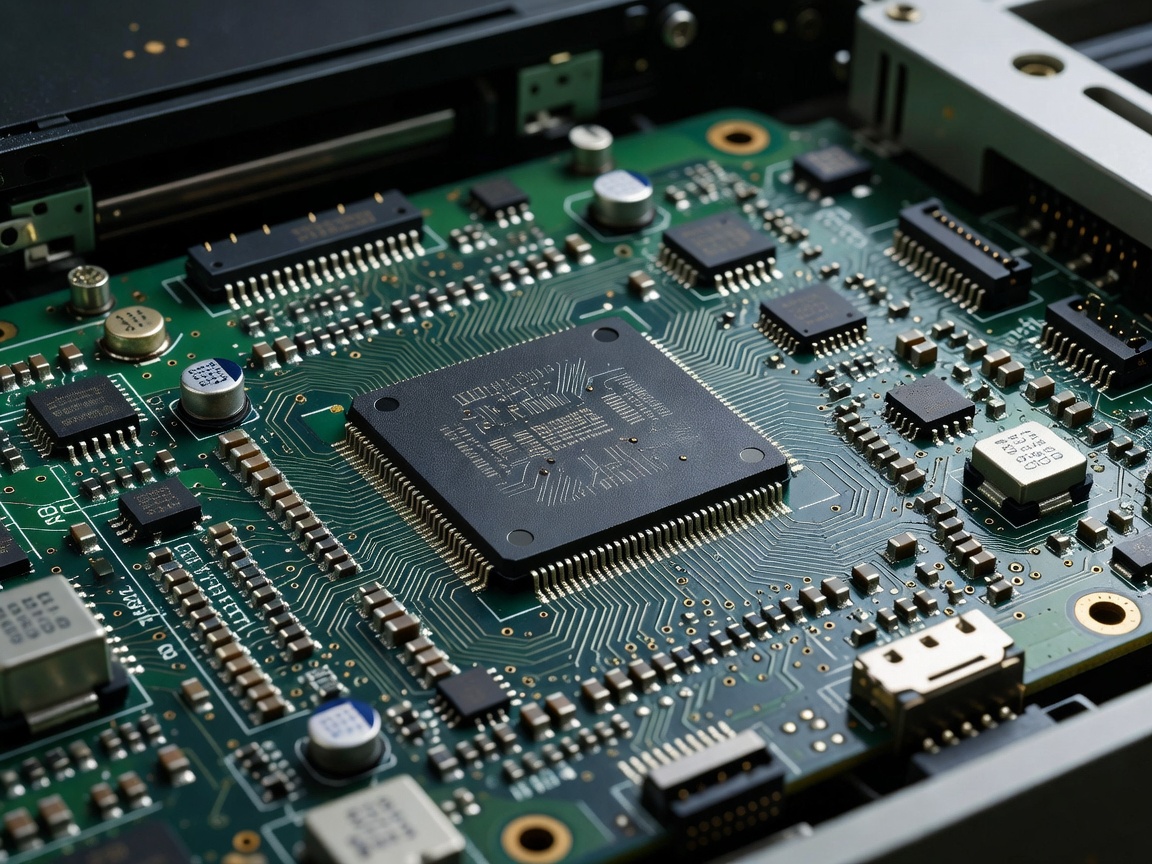
Leading production scanners offload these resource-intensive algorithms to on-board Application-Specific Integrated Circuits (ASICs). The scanner’s internal silicon processes pixels in flight, applying filtering matrices before transmitting optimized, lightweight TIFF or PDF/A streams over the network bus.
3. Dynamic Binarization and OCR Optimization
Optical Character Recognition accuracy is fundamentally constrained by contrast clarity. Static binarization uses a fixed threshold (e.g., converting all pixels darker than 50% grey to black). On documents with colored backgrounds, uneven carbon paper, or coffee stains, static thresholds result in heavy speckled noise or washed-out character strokes.
Advanced real-time algorithms (such as Kofax VRS, Fujitsu PaperStream IP, or Kodak Perfect Page) calculate local contrast gradients within microscopic pixel neighborhoods. By dynamically adjusting the threshold point relative to local paper variations, text is rendered crisply as solid black on pure white backgrounds, elevating downstream OCR accuracy from 82% to 98.5% across deteriorated archive materials.
Hardware Color Dropout Implementation
In financial processing and tax return capture, standard red or green box boundaries must be eliminated so that only entered alphanumeric handwriting is captured. Production scanners accomplish color dropout at zero processing penalty by adjusting the sensitivity gains of the individual red, green, or blue optical channels during sensor exposure.