High-Volume Throughput
Unpacking scanner manufacturer daily duty cycle ratings: how motor thermal limits, roller durometer degradation, and glass cleanliness impact real-world digitisation schedules.
1. What Does "Daily Duty Cycle" Actually Mean?
In vendor specification sheets, daily duty cycles range from 3,000 pages on compact desktop models to over 120,000 pages on enterprise rotary scanners. However, records managers frequently misunderstand this metric as a promise of continuous throughput at rated PPM (Pages Per Minute).
In mechanical reality, the daily duty cycle represents the maximum theoretical volume the stepping motors, chassis bearings, and power supplies can endure over a 24-hour cycle before thermal throttling or premature gear fatigue occurs. Running a 10,000-page-per-day scanner at full burst for 8 continuous hours without cool-down breaks causes motor overheating, skew errors, and micro-stoppages.
2. Real Net Throughput vs. Gross PPM
A device rated at 80 PPM / 160 IPM (Images Per Minute duplex) will never digitize 4,800 sheets in an hour. True operational throughput must account for unavoidable labor variables:
- Document Prep (De-stapling, unfolding): Consumes 40% to 60% of total operator time.
- Tray Loading & Batch Barcode Separators: 5% to 10% interval lag.
- Ultrasonic Stoppage Investigation: Checking taped receipts or envelopes takes 30-90 seconds per intervention.
- Optical Platen Dust Cleaning: Removing white paper dust or toner accumulation every 2,000-5,000 sheets.
Accounting for these real-world interruptions, empirical research confirms an overall workflow efficiency factor of approximately 60% to 68% of maximum rated PPM in disciplined archiving environments.
| Scanner Class | Advertised Duty Cycle | Realistic Daily Target | Roller Kit Replacement Cycle |
|---|---|---|---|
| Workgroup Desktop | 3,000 pages | 1,200 - 1,800 pages | Every 30,000 - 50,000 pages |
| Departmental ADF | 12,000 pages | 5,000 - 7,500 pages | Every 100,000 - 200,000 pages |
| Mid-Range Production | 40,000 pages | 18,000 - 25,000 pages | Every 250,000 - 400,000 pages |
| Ultra-High Production | 100,000+ pages | 45,000 - 65,000 pages | Every 500,000 - 1,000,000 pages |
3. Thermal Dissipation and Chassis Rigidity
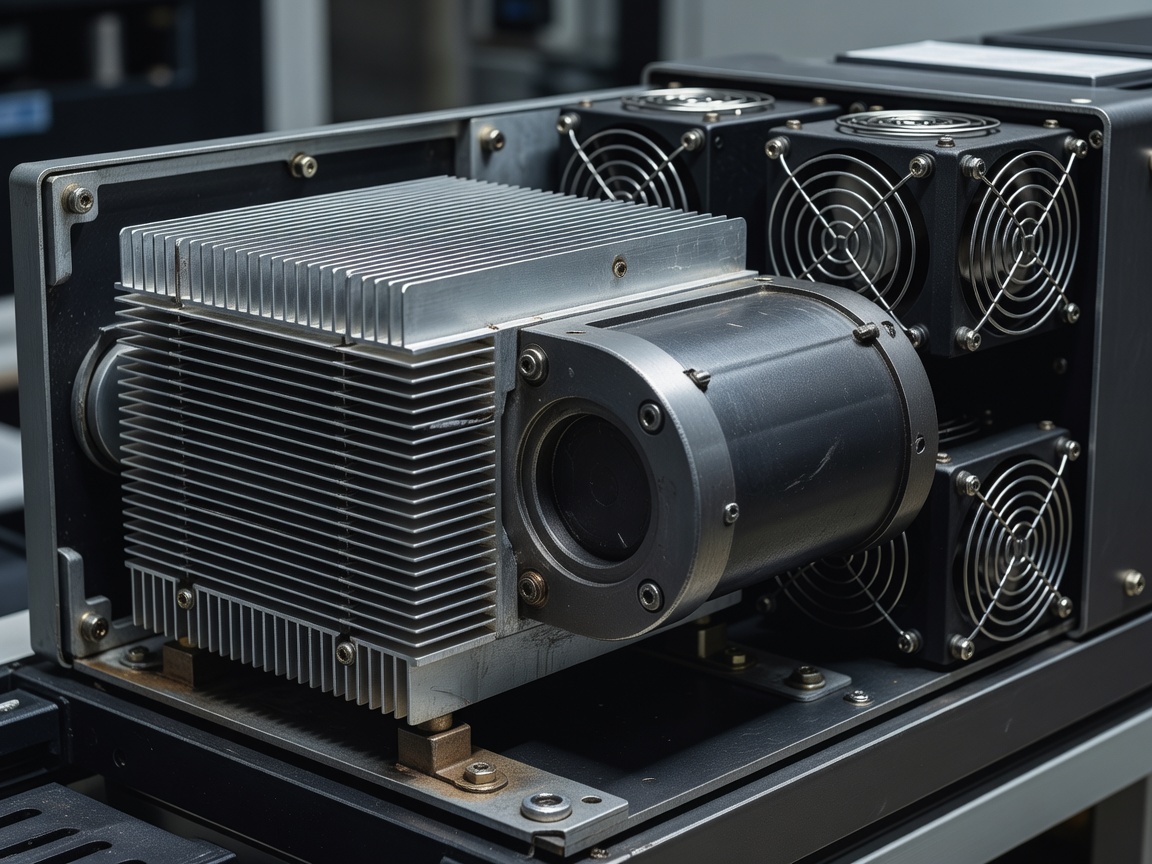
High-volume continuous scanning generates significant internal heat from LED illumination banks, image processing ASIC boards, and high-torque paper advance motors. Budget scanners built in sealed molded plastic housings retain this heat, causing feed rollers to soften and expand slightly (altering the nip pressure and increasing paper skew).
True production hardware utilizes internal die-cast aluminum frames with dedicated fan-assisted intake/exhaust plenums. Structural metal chassis also dampen mechanical vibrations, preventing high-speed micro-vibrations that manifest as horizontal scan line jitter on 600 DPI archival scans.
Hardware Ingest Capacity Rule
When specifying scanners for backfile conversions with defined deadlines, calculate your hardware requirements by dividing total archive sheets by 50% of the manufacturer's rated duty cycle. This built-in buffer absorbs operator fatigue, routine maintenance, and unreadable document re-scans without blowing deadline budgets.